The majestic, snow-capped peaks of the Haute-Savoie region, a jewel in the French Alps, offer unparalleled beauty and exhilarating challenges for winter sports enthusiasts. However, these very same mountains can harbor unforgiving dangers, as tragically highlighted by a recent incident near La Chapelle d'Abondance. Two women, avid skitourers, embarked on what should have been a memorable adventure but instead succumbed to the treacherous embrace of an avalanche in Haute-Savoie, sending a somber reminder of the inherent risks of backcountry exploration.
This devastating event, which saw the discovery of their bodies after an extensive search, casts a spotlight on the critical need for vigilance, proper equipment, and comprehensive knowledge when venturing into avalanche-prone terrain. As authorities continue to urge extreme caution, this tragedy serves as a poignant lesson for all who are drawn to the allure of the high mountains.
A Tragic Discovery in La Chapelle d'Abondance
The alarm was first raised on Monday morning when the two women, both local residents, failed to report for work. Their absence immediately triggered concern, leading to the discovery of their car in a parking lot in La Chapelle d'Abondance, a known starting point for ski touring routes. This finding, first reported by Le Dauphiné Libéré and later confirmed by Haute-Savoie firefighters to AFP, set in motion a frantic search operation.
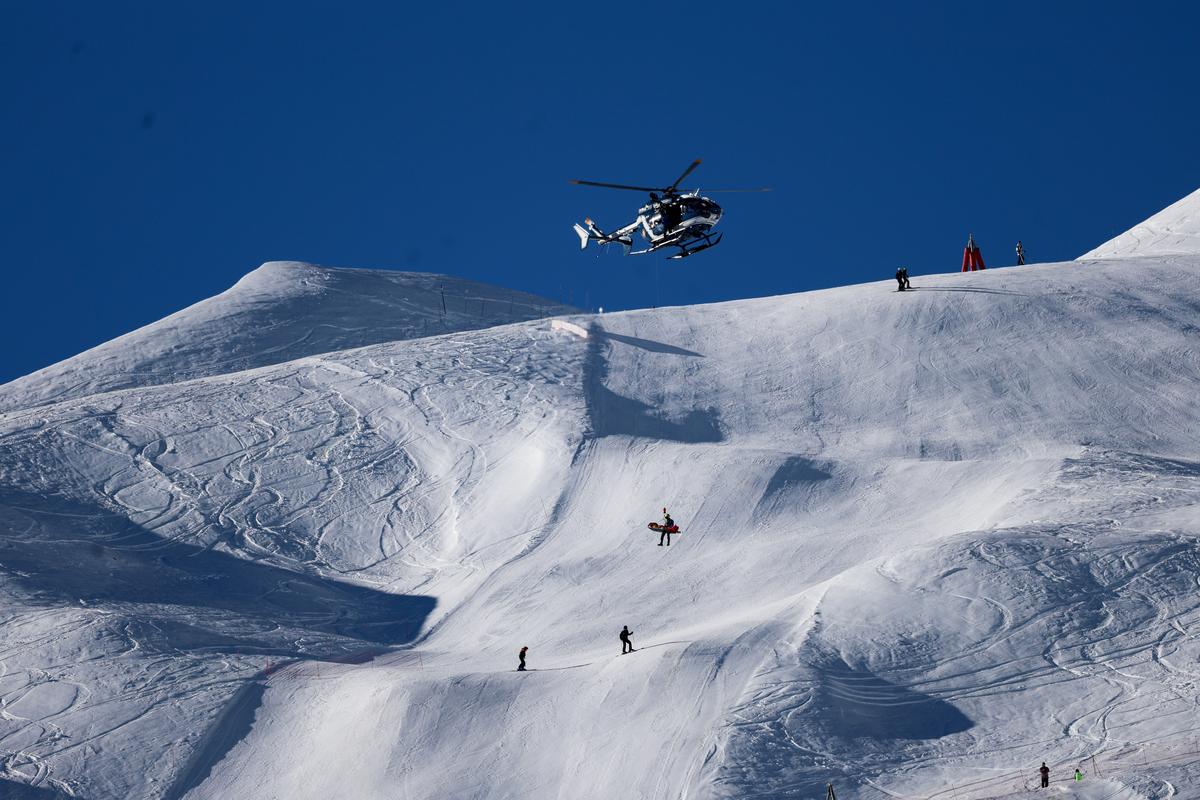
Rescue teams, including Haute-Savoie firefighters and gendarmerie from Abondance, quickly mobilized. A reconnaissance helicopter was deployed, equipped with technology capable of detecting signals emitted by avalanche transceivers (DVA - Détecteur de Victimes d'Avalanche). This crucial equipment proved instrumental in locating the victims. Signals were detected within a vast snowslide, leading rescuers to the grim discovery of the two women's bodies buried at depths of 50 centimeters and 1.5 meters.
The realization that two lives were cut short in such a sudden and powerful way sent ripples of grief through the local community. The incident serves as a stark reminder of how quickly even experienced individuals can be caught off guard by the unpredictable forces of nature in the heart of the Haute-Savoie mountains.
Understanding the 'Marked' Avalanche Risk in the Alps
At the time of the tragedy, the avalanche risk in the massif was rated as "marked," or 3 on a scale of 5. This designation, while not the highest, signifies a significant danger level that demands extreme caution and careful decision-making. A "marked" risk indicates that spontaneous avalanches are possible, even likely, on many slopes, and that human triggering is probable with even light loads on the snowpack.
Several factors contributed to this unstable snowpack, turning the seemingly pristine slopes into a potential deathtrap. Recent weeks had seen significant snowfall, followed by varying temperatures. This combination can create weak layers within the snowpack, where new snow struggles to bond with older, existing layers. Heavy precipitation followed by temperature rises, as noted in reports including one related to a separate incident in Les Gets, can further exacerbate this instability, making off-piste areas particularly perilous. The underlying structure of the snowpack becomes fragile, like a house of cards, where even a slight disturbance can trigger a catastrophic collapse.
Authorities, including Météo France, regularly issue detailed avalanche bulletins (B.E.R.A - Bulletin d'Estimation du Risque d'Avalanche) that are indispensable for anyone planning to venture into the backcountry. These bulletins provide crucial information on snowpack stability, recent snowfall, temperature trends, and specific areas of concern, allowing skitourers and off-piste skiers to make informed decisions and adjust their plans accordingly.
Essential Safety for Ski Tourers and Off-Piste Enthusiasts
The tragic avalanche in Haute-Savoie underscores the paramount importance of avalanche safety for anyone engaging in ski touring or off-piste skiing. While no amount of preparation can eliminate all risk, adhering to best practices significantly reduces the chances of being caught in an avalanche and increases the odds of survival if an incident occurs.
Pre-Trip Planning: Knowledge is Power
- Check the Avalanche Bulletin (B.E.R.A): Always consult the latest Météo France bulletin for your specific massif. Understand the risk level, the types of avalanche problems (e.g., fresh snow, persistent weak layers), and the aspects/altitudes most affected.
- Terrain Assessment: Familiarize yourself with the planned route. Identify potential avalanche run-out zones, safe spots, and escape routes. Avoid steep slopes (typically above 30 degrees, the critical angle for most avalanches), especially those with lee aspects where snow accumulates.
- Weather Forecast: Monitor weather changes, including temperature fluctuations, wind direction and speed, and new snowfall. Rapid changes can drastically alter snow stability.
- Group Dynamics: Never go alone. Ski with experienced partners who are also equipped and trained. Ensure your group has a clear plan, designates a leader, and communicates effectively.
Crucial Gear: Your Lifeline in the Snow
Every member of a ski touring or off-piste group must carry and know how to use the "holy trinity" of avalanche safety equipment:
- Avalanche Transceiver (DVA/Beacon): This electronic device transmits a signal that can be detected by others if you are buried, and conversely, allows you to search for buried companions. It must be worn close to the body and checked for functionality before every outing.
- Avalanche Shovel: Essential for quickly excavating buried victims. Practice efficient shoveling techniques; time is critical in avalanche rescue.
- Avalanche Probe: A collapsible pole used to pinpoint the exact location and depth of a buried person once a transceiver signal has been detected.
Beyond these essentials, many backcountry enthusiasts also carry an avalanche airbag system, which, when deployed, helps keep the wearer on the surface of the slide, and a first-aid kit, emergency shelter, and communication devices.
During the Tour: Vigilance and Decision-Making
- Continuous Observation: Pay attention to signs of instability: recent avalanches, "whumpfing" sounds (a collapse of a weak layer), cracks in the snow, or changes in snow texture.
- Maintain Safe Distances: When ascending or descending steep slopes, travel one person at a time, keeping a safe distance from others. This minimizes the load on the snowpack and reduces the number of people caught if an avalanche occurs.
- Practice Companion Rescue: Regular practice with your DVA, probe, and shovel is crucial. In an avalanche, every second counts, and efficient rescue techniques can make the difference between life and death.
- Know When to Turn Back: The mountains will always be there. If conditions feel unsafe, visibility deteriorates, or your group's confidence wanes, be prepared to alter your plans or turn back. Summiting is secondary to returning home safely.
- Consider a Mountain Guide: For those new to backcountry skiing or exploring unfamiliar terrain, hiring a certified mountain guide is an invaluable investment. Guides possess extensive local knowledge, expert understanding of snow science, and advanced decision-making skills in complex terrain.
France's Challenging Avalanche Season: A Stark Reminder
The tragic loss of these two skitourers in La Chapelle d'Abondance contributes to an unfortunately high tally for France's winter season. These deaths brought the total number of people who have lost their lives in avalanches across France since the beginning of the season to 30. This includes a particularly somber weekend in January, which saw six fatalities alone. Such figures underscore the ongoing challenges presented by volatile weather patterns and unstable snow conditions across the French Alps this winter.
The authorities have consistently issued strong warnings, particularly advising against off-piste activities due to the persistent instability of the snowpack. This instability has been aggravated by a combination of heavy snowfall and fluctuating temperatures, creating treacherous conditions even in areas that might typically be considered less risky. The incident near Les Gets, where another skier tragically lost their life after being buried under three meters of snow following a rapid temperature rise, further illustrates the widespread nature of these dangers and the need for universal caution in the mountains.
Conclusion
The loss of two lives in an avalanche in Haute-Savoie is a profound tragedy that resonates deeply with anyone who loves the mountains. It serves as a powerful and somber reminder of the immense respect these environments demand. While the allure of untouched snow and breathtaking vistas is undeniable, it must always be balanced with an unwavering commitment to safety, education, and preparedness. By understanding the risks, mastering essential safety skills, and always making informed decisions, we can strive to honor the memory of those lost and ensure that our own mountain adventures remain safe and fulfilling. The beauty of the Alps is a gift, but one that must be appreciated with the utmost care and knowledge.