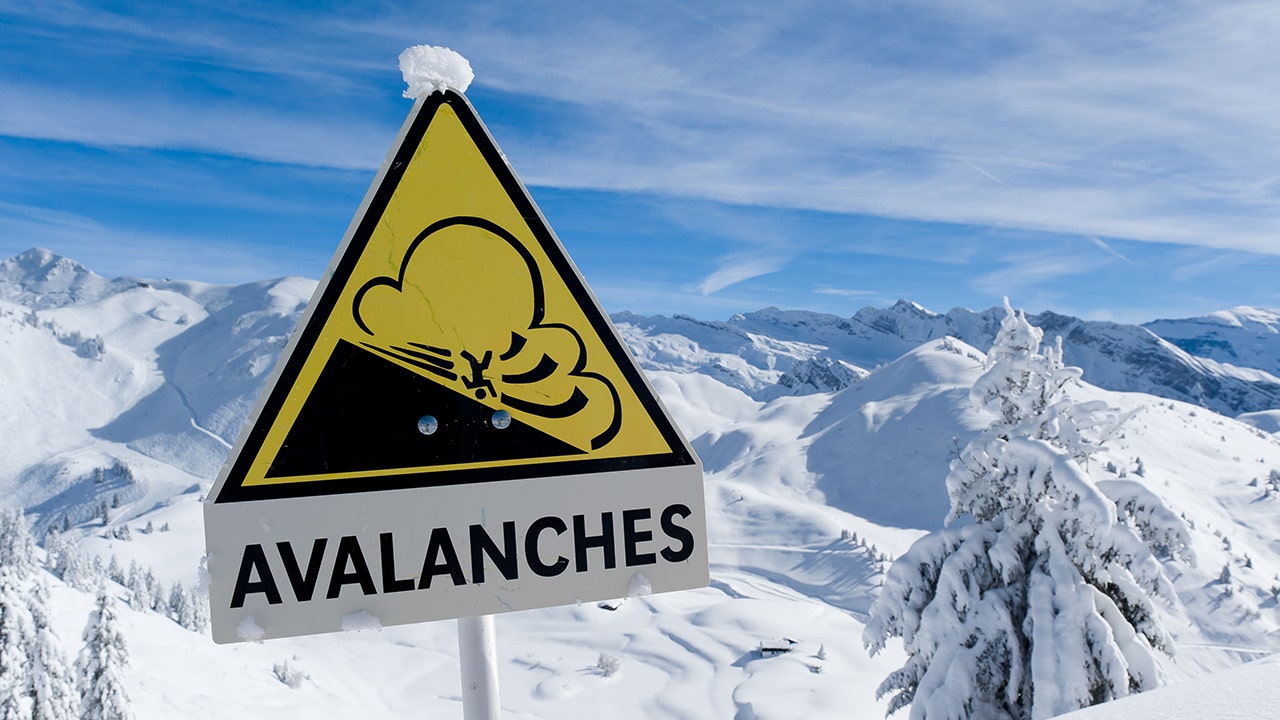
France's Deadly Avalanche Season: 30 Fatalities Reported
The majestic French Alps, renowned globally for their unparalleled beauty and world-class skiing, have unfortunately become the stage for a tragic and exceptionally deadly avalanche season. With the grim tally now standing at 30 fatalities across France since the winter began, authorities are reiterating urgent warnings against the perilous conditions, particularly for off-piste enthusiasts. The recent loss of two ski tourers in the Haute-Savoie Avalanche Tragedy has cast a somber shadow over the region, serving as a stark reminder of the unpredictable and unforgiving power of nature.
The Haute-Savoie department, a jewel in the crown of the French Alps, has been at the epicenter of many of these incidents, seeing multiple lives claimed by the unstable snowpack. The allure of untouched powder and serene backcountry experiences draws countless adventurers, but this season's conditions demand extreme caution and respect. From experienced mountaineers to casual off-piste explorers, no one is immune to the risks when the mountain itself is sending clear signals of danger. Understanding these signals and adhering to safety protocols has never been more critical.
The Latest Tragedy in Haute-Savoie: A Sobering Reminder
The recent incident in La Chapelle d'Abondance, Haute-Savoie, underscores the volatile nature of the current conditions. Two local women, avid ski tourers, embarked on what they hoped would be a rewarding Sunday excursion. Their failure to report for work on Monday morning triggered an alarm, prompting a search operation that quickly escalated.
Emergency services, alerted by family and employers, located their vehicle at a popular ski touring departure point in the commune. The dedicated teams, including the firefighters of Haute-Savoie and local gendarmerie, launched a comprehensive search. An aerial reconnaissance by helicopter proved crucial, successfully detecting signals emitted by their avalanche transceivers within a vast snowslide. The subsequent ground search led to the heartbreaking discovery of their bodies buried at depths of 50 centimeters and 1.5 meters.
At the time of the incident, the avalanche risk in the massif was classified as 3 out of 5, or "marked." While not the highest level, a "marked" risk indicates significant danger, especially on certain slopes and aspects, and necessitates a high degree of awareness and conservative decision-making. It's a level where avalanches can be easily triggered by a single person, particularly on steep slopes or in specific snowpack conditions. This tragedy highlights that even at a "marked" risk level, the consequences can be fatal, and vigilance is paramount.
The incident resonated deeply within the local community, serving as a poignant reminder of the inherent dangers that even seasoned, local skiers face when venturing into the backcountry during periods of instability. The use of transceivers, while not guaranteeing survival, proved instrumental in allowing rescuers to locate the victims swiftly, offering a small measure of closure for their families.
An Unprecedented Season: France's Avalanche Toll Reaches 30
The two fatalities in La Chapelle d'Abondance pushed the total number of avalanche deaths in France to 30 for the current season, marking it as one of the deadliest in recent memory. This alarming figure includes a particularly grim weekend on January 10th and 11th, which saw six lives lost across the French Alps.
The reasons behind this unusually high toll are multifaceted but largely point to a dangerously unstable snowpack, a condition exacerbated by a combination of factors. Heavy snowfall in recent weeks has deposited significant layers of new snow atop older, weaker layers, creating precarious conditions. Furthermore, rapid temperature fluctuations, including sudden thaws, contribute to instability, leading to wet-snow avalanches or weakening the internal structure of the snowpack.
Another incident reported in Les Gets, also in Haute-Savoie, saw a French skier tragically lose his life after being extracted from three meters of snow. While the exact circumstances of this incident and whether it was off-piste are less clear from initial reports, it underscores the widespread danger across the region. The impact of rapid temperature rises, mentioned in connection with this event, is a critical factor for avalanche risk. These sudden warming spells can quickly destabilize previously safe-looking areas, making risk assessment incredibly challenging.
Authorities, including Météo-France and local mountain rescue services, have consistently issued strong warnings, particularly advising against off-piste activities. The unstable structure of the snowpack, characterized by various layers with differing densities and bonding capabilities, makes it highly susceptible to fracture and slide. Navigating such conditions demands not only advanced skill and experience but also an unparalleled level of caution and often, the wisdom to stay away from high-risk areas altogether.
Navigating the Perilous Backcountry: Essential Safety Measures
Given the current severity of the avalanche season, particularly in areas like Haute-Savoie, responsible backcountry and off-piste practices are more crucial than ever. For anyone considering venturing beyond marked trails, adherence to stringent safety protocols is not just advisable, but potentially life-saving.
- Heed Official Warnings: Always consult the latest avalanche bulletins issued by Météo-France (BRA - Bulletin d'Estimation du Risque d'Avalanche) and local resort information. These bulletins provide detailed assessments of risk levels (1-5), dangerous aspects, and elevation zones. Remember the "marked" risk (3/5) of the recent tragedy. For more detailed insights into the current alerts, refer to our article on High Avalanche Risk in Haute-Savoie: Off-Piste Warnings.
- Essential Equipment: Carry a complete avalanche safety kit and know how to use it proficiently. This includes:
- Avalanche Transceiver (DVA): A device for sending and receiving signals to locate buried victims or be located.
- Shovel: Essential for digging out victims.
- Probe: Used to pinpoint the exact location and depth of a buried person.
- Training and Experience: Avalanche safety courses are invaluable. They teach you how to read the snowpack, interpret risk, use your equipment effectively, and perform companion rescue. Never venture into the backcountry without adequate training and practical experience.
- Never Go Alone: Always ski with a group. This ensures that if an incident occurs, there are immediate resources for rescue. Maintain visual contact and practice safe group spacing.
- Conservative Decision-Making: When in doubt, turn back. No line or untracked powder is worth a life. Be prepared to change plans based on real-time observations of weather, snow conditions, and terrain. Avoid areas known for high risk or recent avalanche activity.
- Understand Snowpack Dynamics: Develop an understanding of how different snow layers form, bond, and react to temperature changes and new snowfall. This includes recognizing warning signs like "whumphing" sounds, cracking snow, or recent natural avalanche activity.
The Role of Authorities and Rescue Efforts
The coordinated efforts of various agencies are critical in both preventing and responding to avalanche incidents. The Peloton de Gendarmerie de Haute Montagne (PGHM), a specialized mountain police unit, along with local fire and rescue services (like the SDIS de Haute-Savoie), are at the forefront of these operations. Their expertise in high-altitude search and rescue, coupled with advanced tools like helicopters and sophisticated avalanche detection equipment, is vital in these challenging environments.
These dedicated professionals not only conduct dangerous search and rescue missions but also play a crucial role in public education and risk assessment. They work tirelessly to monitor conditions, issue warnings, and, when tragedy strikes, provide the rapid response that is often the only hope for survival in an avalanche scenario. Their continuous advice to respect the mountain and its current state is a testament to the real and present dangers.
Conclusion
France's current avalanche season stands as a stark and tragic reminder of the immense power and unpredictability of the mountains. With 30 fatalities, including recent incidents in the beautiful but treacherous Haute-Savoie region, the call for extreme vigilance has never been louder. While the allure of untouched snow and the freedom of the backcountry are undeniable, the current unstable snowpack, aggravated by recent heavy precipitation and fluctuating temperatures, demands the utmost respect and caution. For all adventurers, whether seasoned or aspiring, prioritizing safety through education, proper equipment, conservative decision-making, and unwavering adherence to official warnings is paramount. Let us honor those lost by fostering a culture of profound respect for the alpine environment and making informed choices that ensure a safe return from every mountain excursion.